- 30 | 03 | 26
Helping Pembrokeshire County Council maximise their energy and utility opportunities
Read how we helped create an action plan to steer Pembrokeshire County Council towards becoming a net zero-carbon local authority by 2030.


If you're thinking of incorporating solar energy into your organisation there are lots of things to consider. In our blog we ask some important question to help you find your answer.
In our previous two blog posts we have been sharing information on the benefits of Solar energy and breaking down some of the myths that can cause barriers for organisations wanting to investigate using solar as an alternative energy source.
Now we want to talk about how you can incorporate solar energy in your organisation.
The two main ways are by building it and owning it yourself via rooftop solar or a larger solar park, like our own Bowerhouse II, or by entering into a Power Purchase Agreement (PPA) with a solar developer as a buyer of electricity.
A PPA is a contract which allows a generator and a consumer to directly contract and trade electricity through the grid. If you owned a solar park, you would be the selling party on the PPA. If you didn’t own the solar asset, but wanted to buy electricity from one, you’d be the buying party on a PPA. This would also include selling and buying the REGO certificates (Renewable Energy Guarantee of Origin). But what should you consider with both options?
Either of these options can come with varying degrees of risk and it really depends on what your appetite for risk is. For example, investing in a solar farm asset requires significant up-front cost and there is lots to consider from location to ongoing maintenance. However, owning your own solar farm would also mean you have more control and could get you better financial returns. Entering a PPA will give you less control but will require significantly less upfront capital costs to enter into.
As mentioned above with buying and owning your own solar park you need to think about how much capital you have available to spend or other funding sources available to you. In purely financial terms you’ll need to model and be comfortable that the returns meet your organisational or external funder’s requirements.
If we compare this to a PPA you wouldn’t require the upfront finances, and the legalities and decision processes involved tend to be less compared to investment in a solar park.
You might be wondering what either of the options mean in terms of your current supply agreement.
If you’re building an asset like a solar park, then you would just need to get your supplier on board in facilitating the trading of the electricity as the seller on a PPA. In this instance, you could sell to yourself as a buyer. This is called ‘sleeving’.
If you’re looking to buy electricity from a third-party solar park (i.e., one you do not own), you would become the buyer on a PPA and would need to ensure your supply agreement can facilitate the allocation of that electricity to your consumption; again, this is ‘sleeving’. A common misconception is you will need to wait until the end of your current supply agreement in order to enter a PPA. This is not the case if your current supply agreement can facilitate the ‘sleeving’ aspect we spoke about above – LASER’s supply agreement has this ability, and we have examples with other public sector bodies that have used their supply agreement via the LASER framework to do so.
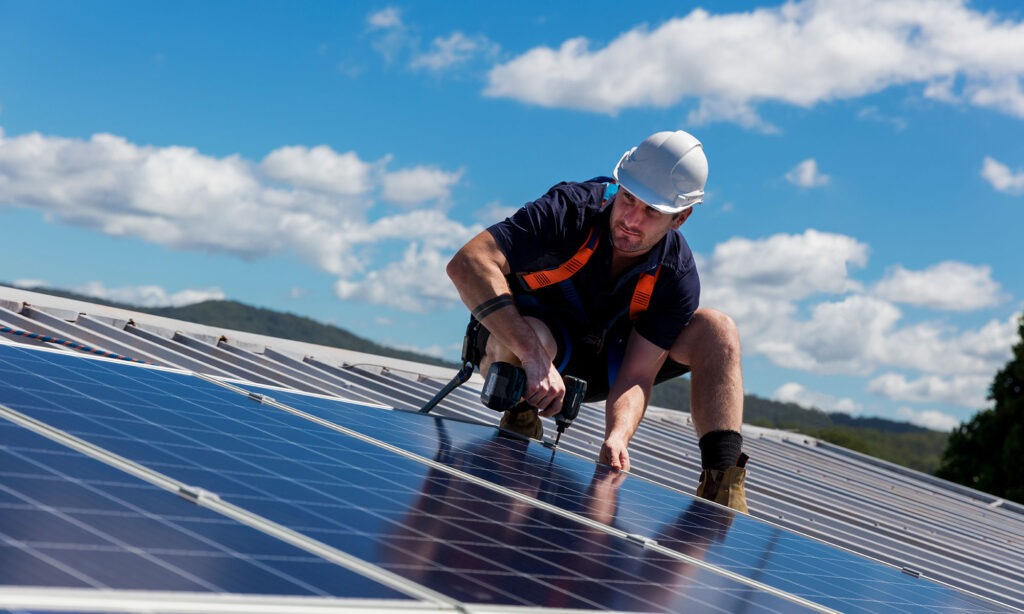
The main thing to remember is to think about what is right for your organisation as you will all have different needs, challenges, capabilities, attitude to risk and long-term plans. If you’re not sure about how to begin this journey you can talk to us, and we can help.
Our Zero Carbon support can help you model the financials, source the right suppliers (from PPA suppliers, to legal, to operations and maintenance) through our Frameworks, helping you identify the scope, what solution will work for you and even embarking on a Joint Venture with you for whole solar park projects.
Reach out to our team and let’s start the conversation on what you need and how we can help you.

Read how we helped create an action plan to steer Pembrokeshire County Council towards becoming a net zero-carbon local authority by 2030.

The world of energy is changing, growing ever more complex. With that evolution comes risks and opportunities for organisations that can adapt. In this article we explore five key factors that will help you assess if a bespoke strategy would suit your organisation’s needs.

Mark Hall Sports Centre gets a lighting make-over, leading to a brighter environment for the school and community.